

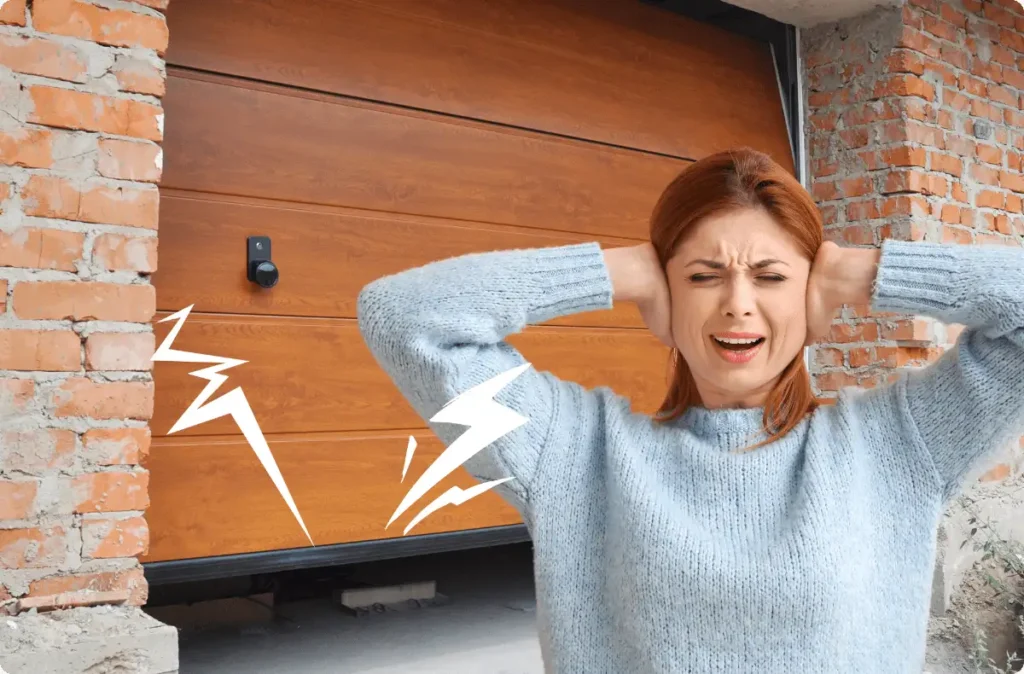
A garage door noise that’s suddenly become loud is more than just an annoyance. It’s your door’s way of telling you something isn’t right. That grinding, squeaking, or banging sound is a warning sign that needs your attention before a small problem becomes a costly repair.
The good news is that most garage door noise can be fixed quickly and easily. The key is identifying the cause, and the sound itself is often the best clue.
This guide provides a symptom checker, helping you link different types of noise to their likely cause. We’ll cover the most common culprits, how to diagnose them, and whether it’s a DIY fix or a job for a professional.
The Garage Door Noise Symptom Checker
Start by listening carefully. The type of noise your door makes tells you a lot about the problem. Use this guide to match what you hear with the likely cause.
| Noise | Likely Cause | DIY Fix? |
|---|---|---|
| Squeaking or Squealing | Lack of lubrication or worn rollers | Usually DIY |
| Grinding or Scraping | Worn rollers, debris in tracks, or misalignment | Usually DIY |
| Banging or Popping | Loose hardware or broken spring | Sometimes DIY |
| Rattling | Loose bolts, nuts, or brackets | DIY |
| Humming but Door Won’t Move | Stripped gears or broken motor | Professional |
| Screeching | Worn bearings or motor issues | Professional |
| Whirring or Clicking | Worn gears or sensor issues | Professional |
Squeaking or Squealing Garage Door Noise
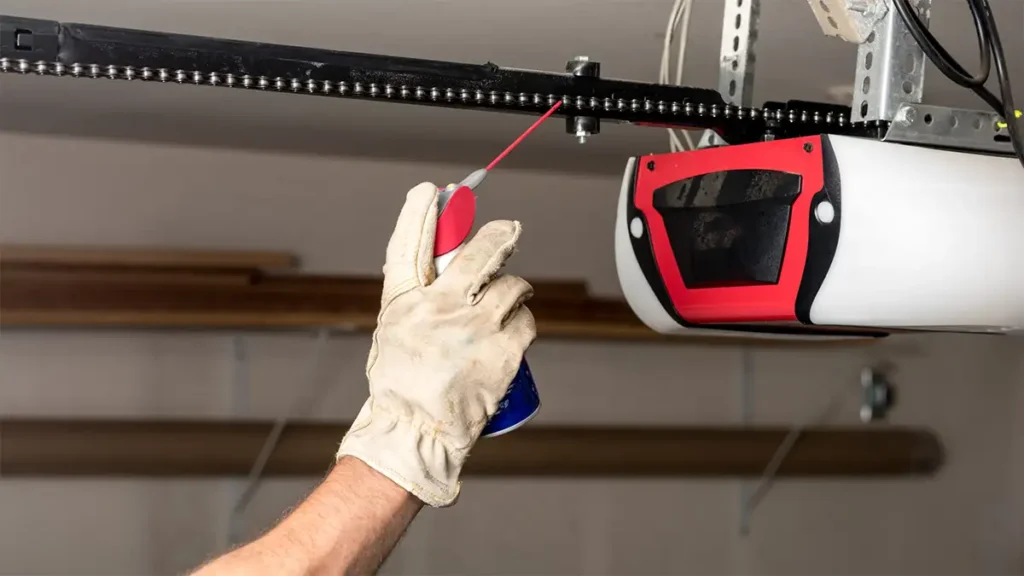
If your garage door sounds like a rusty gate, the problem is almost certainly a lack of lubrication. This is one of the most common causes of noisy garage doors and the easiest to fix.
What’s Happening
The hinges, rollers, and springs on your garage door need lubrication to move smoothly and quietly. Over time, the lubricant dries out, allowing metal parts to rub against each other. This creates friction, which produces that high-pitched squeaking or squealing sound.
How to Fix It
What You’ll Need
- A silicone-based garage door lubricant
- A soft cloth for wiping away excess
Step 1: Locate the moving parts: hinges, rollers, springs, and the lock mechanism.
Step 2: Apply a small amount of lubricant to each moving part. Make sure to use a silicone-based lubricant.
Step 3: Open and close the door a few times to work the lubricant in.
Step 4: Wipe away any excess to prevent build-up.
What to Avoid
Don’t use standard WD-40. It’s a temporary fix that actually attracts dirt and can make the problem worse over time. Use a dedicated garage door or silicone lubricant instead.
When to Call a Professional
If the squeaking persists after lubrication, the rollers or hinges may be worn and need replacing. Worn rollers are a straightforward DIY job for a confident homeowner, but if you’re unsure, call a professional.
Grinding or Scraping Garage Door Noise
A grinding or scraping noise is more serious than a squeak. It’s a sign that metal is rubbing against metal or debris is caught in the tracks.
What’s Happening
Grinding noises are usually caused by one of three things:
- Debris in the tracks: Stones, dirt or other material can get lodged in the tracks and in result cause grinding when the rollers pass.
- Worn rollers: Over time, rollers can wear down, causing metal-on-metal contact.
- Misaligned tracks: If the tracks are slightly out of alignment, the rollers can scrape against the sides.
How to Fix It
Step 1: Start by inspecting the tracks. Are they clean? Do you see any debris?
Step 2: Clean the tracks with a soft cloth or brush. Remove any dirt or debris you find.
Step 3: Check the rollers for signs of wear. If they look worn or damaged, they’ll need to be replaced.
Step 4: Check the track alignment. If the tracks are misaligned, they’ll need to be adjusted.
What to Avoid
Never grease the tracks. This attracts dirt and can cause the door to run unevenly. The tracks should be clean and free of debris, not lubricated.
When to Call a Professional
If cleaning the tracks and checking the rollers doesn’t solve the problem, the tracks may need professional adjustment or replacement. Similarly, if the rollers are damaged, they’ll need to be replaced — a job that’s straightforward for a confident DIYer but can be tricky.
Banging or Popping Garage Door Noise
A loud bang or pop is often a sign of a more serious problem. It could be loose hardware, a broken spring, or a failing opener.
What’s Happening
Banging or popping noises usually come from one of these sources:
- Loose hardware: Bolts, nuts, or brackets can work loose over time, causing the door to shift and bang.
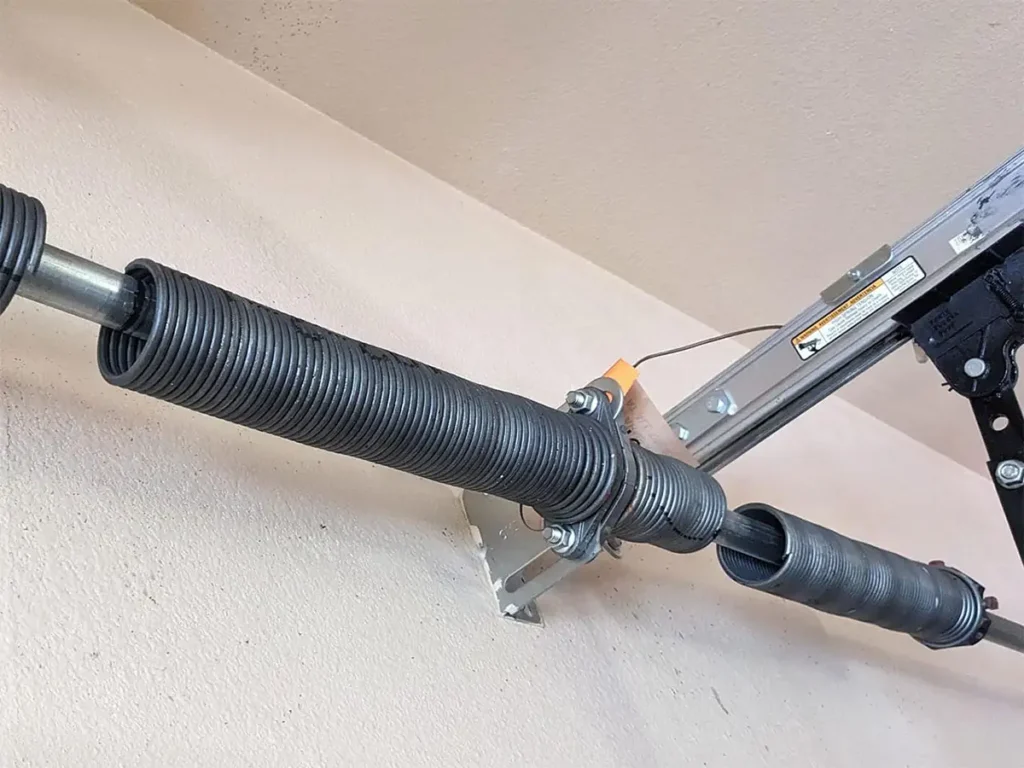
- Broken spring: A broken spring can cause a sudden, loud bang. This is a serious issue that requires immediate professional attention.
- Opener issues: A failing opener can make banging noises, especially if the gears are stripped.
How to Fix It
Step 1: Check all the hardware. Tighten any loose bolts, nuts, or brackets.
Step 2: Inspect the springs. If you see a gap in the spring or it looks damaged, don’t attempt to repair it yourself. Call a professional.
Step 3: If the hardware is tight and the springs look fine, check the opener. Listen for any unusual sounds when it operates.
Safety Warning
Never attempt to fix a broken spring yourself. Garage door springs are under extreme tension and are one of the most dangerous parts of a garage door. Always call a professional.
When to Call a Professional
A broken spring requires professional attention. A failing opener may also need professional diagnosis and repair.
Rattling Garage Door Noise
A rattling noise is usually caused by loose hardware. It’s less serious than banging or grinding but still needs attention.
What’s Happening
Over time, the constant motion of your garage door can cause bolts, nuts, and brackets to work loose. This creates a rattling sound as the door moves.
How to Fix It
Step 1: Inspect all the hardware. Check the bolts, nuts, and brackets on the tracks, hinges, and opener mount.
Step 2: Tighten any loose connections.
Step 3: Check for any missing nuts or bolts and replace them if necessary.
When to Call a Professional
If the rattling continues after tightening all the hardware, there may be a more serious issue with the door’s structure or balance. Call a professional to assess it.
Humming Garage Door Noise but Door Won’t Move
If your garage door motor hums but the door doesn’t move, the problem is likely the gears or the motor itself.
What’s Happening
A humming sound without movement usually indicates:
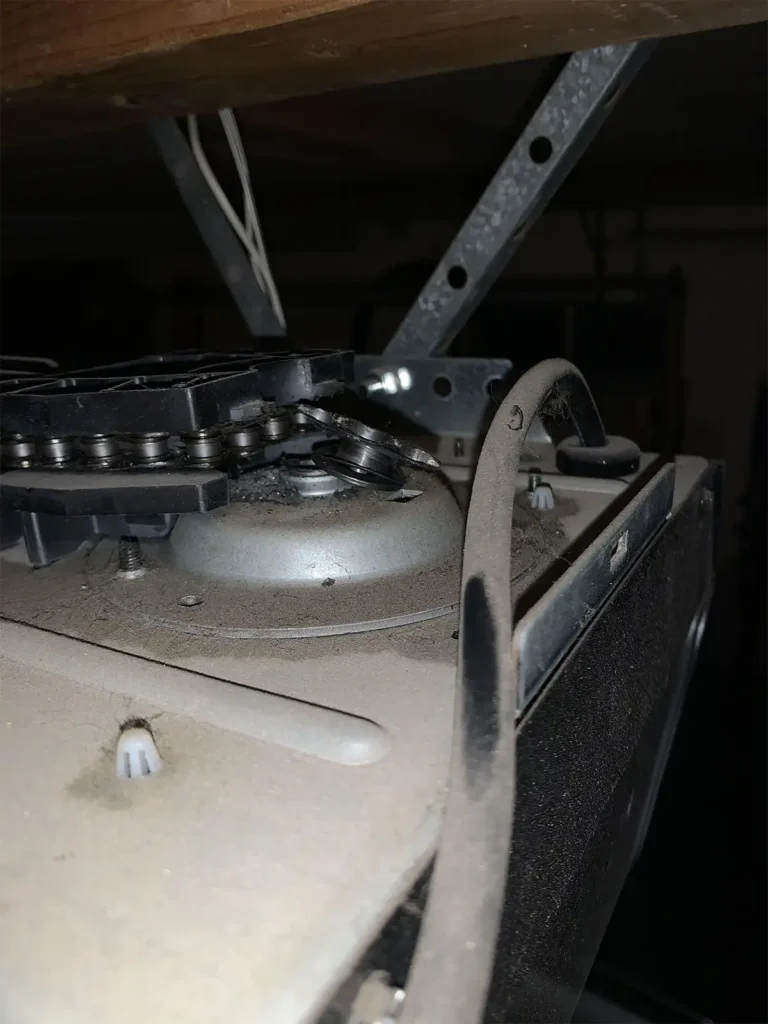
- Stripped gears: The gears that drive the opener have worn down and can’t grip the chain or belt.
- Broken motor: The motor itself may have failed.
How to Fix It
Step 1: Open the door manually using the manual release cord. Does the door move freely? If not, there’s a mechanical issue with the door itself.
Step 2: If the door moves freely, the problem is likely the opener. Check the gears for signs of wear.
Step 3: If the gears are stripped or the motor is broken, it’s time to call a professional.
When to Call a Professional
This is a job for a professional. Replacing gears or motors requires technical knowledge and the right tools.
Screeching Garage Door Noise
A high-pitched screeching noise is a sign of worn bearings or motor issues.
What’s Happening
Screeching is usually caused by:
- Worn bearings: The bearings in the rollers or the opener can wear out over time, causing a screeching sound.
- Motor issues: The motor itself may be failing.
How to Fix It
Step 1: Try lubricating the moving parts. If the screeching stops, the problem was lack of lubrication.
Step 2: If lubrication doesn’t help, the bearings may be worn and need replacing.
Step 3: If the screeching is coming from the opener, the motor may need professional attention.
When to Call a Professional
Worn bearings and motor issues are best left to professionals. They have the tools and expertise to diagnose and fix these problems safely.
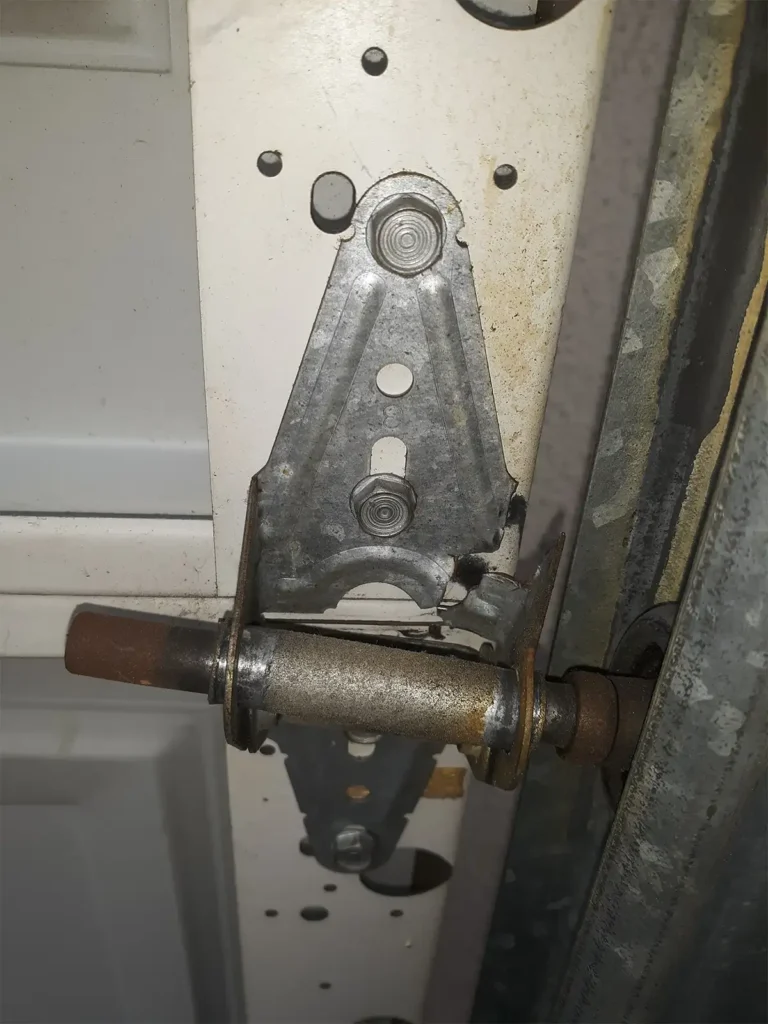
Whirring or Clicking Garage Door Noise
A whirring or clicking sound from the opener usually means the gears are worn.
What’s Happening
The gears inside the opener can wear down over time, especially if the opener is older or has been used heavily. Worn gears make a whirring or clicking sound as they slip.
How to Fix It
Step 1: Inspect the opener’s gears if you can access them. Look for signs of wear.
Step 2: If the gears are worn, they’ll need replacing.
When to Call a Professional
Replacing opener gears is a technical job that’s best left to a professional.
Garage Door Noise Summary Checklist
Use this quick reference guide to identify the cause of your noisy garage door.
| Noise | Likely Cause | Action |
|---|---|---|
| Squeaking / Squealing | Lack of lubrication | Lubricate moving parts |
| Grinding / Scraping | Debris or worn rollers | Clean tracks, check rollers |
| Banging / Popping | Loose hardware or broken spring | Tighten hardware, call pro for springs |
| Rattling | Loose hardware | Tighten bolts and brackets |
| Humming (door stuck) | Stripped gears or broken motor | Call a professional |
| Screeching | Worn bearings or motor | Check lubrication, call pro if needed |
| Whirring / Clicking | Worn gears | Call a professional |
Final Garage Door Noise Thoughts
A noisy garage is often symptom of an underlying problem. By identifying the type of noise your door is making, you can often pinpoint the cause quickly and take the right action.
Regular maintenance — checking the hardware, lubricating moving parts, and listening for unusual sounds — can prevent most noise issues from developing in the first place.
If you’ve worked through this guide and the noise persists, don’t hesitate to call a professional. A small investment now can prevent a much bigger repair bill down the line.