

A broken garage door spring is one of the most common and dangerous problems a homeowner can face. The springs are under immense tension, and when they break, the results can be dramatic, a loud bang, a door that won’t lift, and a potentially serious safety hazard.
If you suspect your garage door spring has snapped, it’s important to act carefully. This guide explains how to tell if your spring is broken, why it’s so dangerous to attempt a DIY repair, and what to do next. We’ll also cover the costs involved and how to choose the right professional for the job.
What Do Garage Door Springs Do?
Garage door springs are the engines of your garage door. They counterbalance the weight of the door, which can be over 100kg, making it possible to lift the door manually or with an opener.
There are two main types of springs:
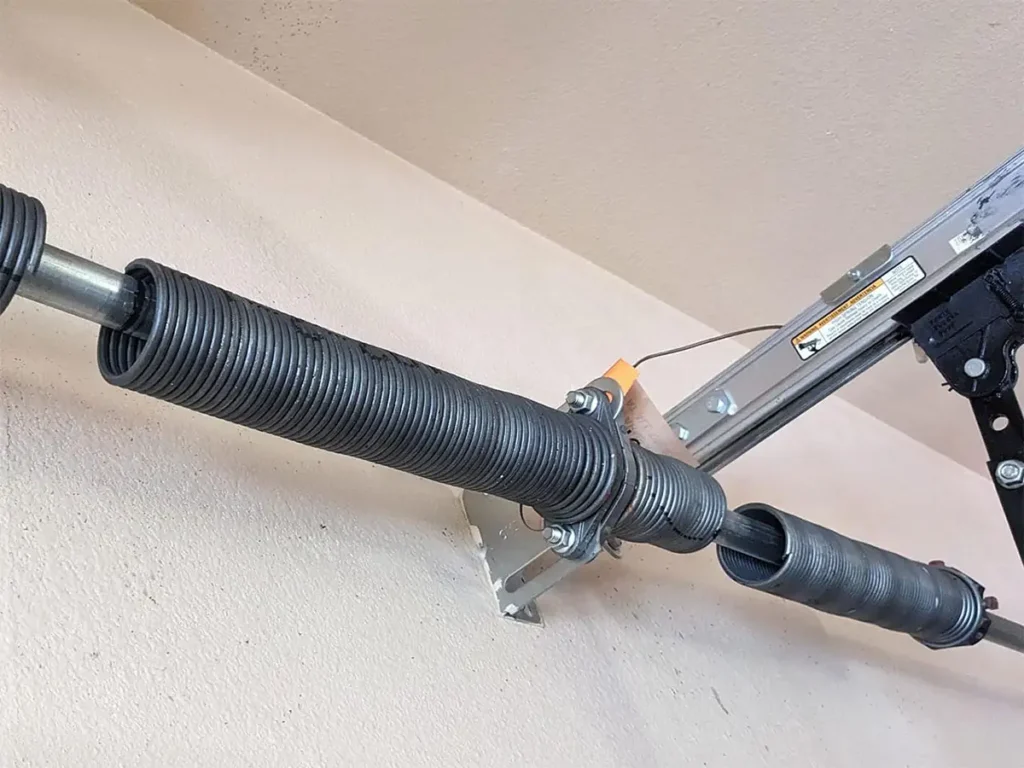
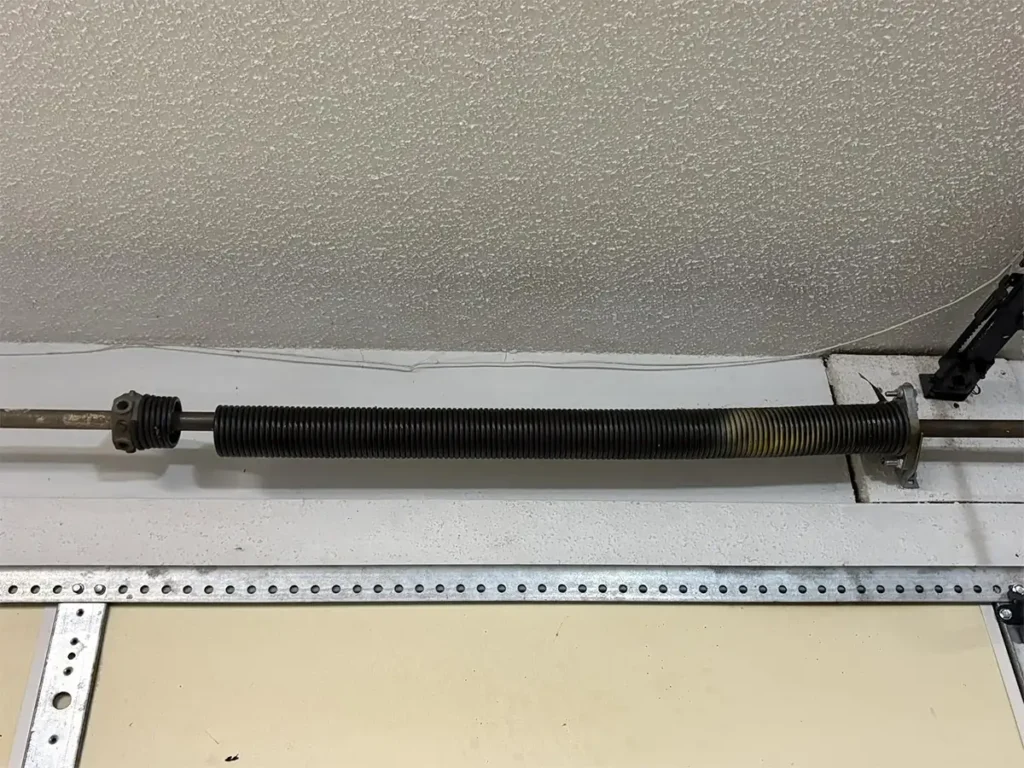
- Torsion springs: Mounted horizontally above the door, these springs wind and unwind to lift and lower the door.
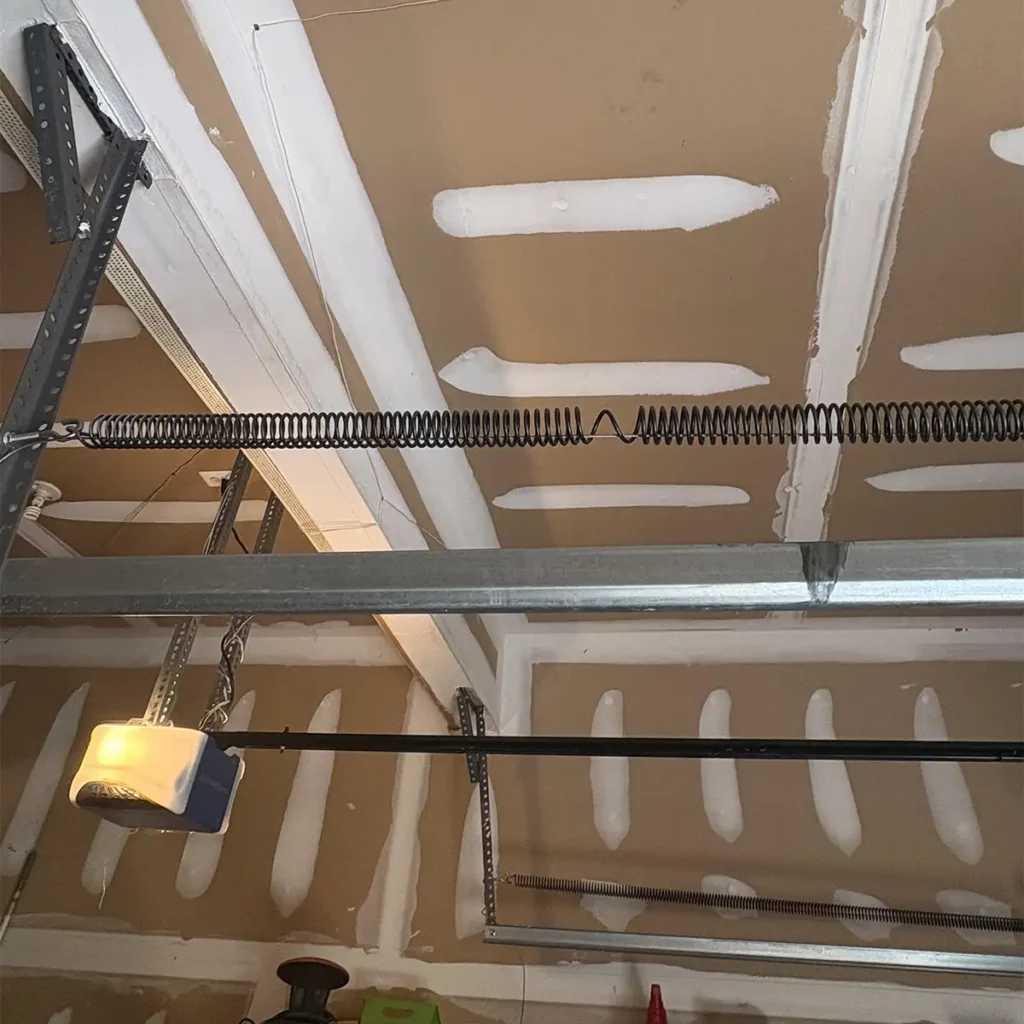
- Extension springs: Mounted on either side of the door, these springs stretch and contract as the door moves.
Both types are under extreme tension. When they’re working properly, you barely notice them. When they break, you notice immediately.

Signs Your Garage Door Spring Is Broken
Identifying a broken spring is usually straightforward. Here are the most common signs.
The Door Won’t Open
This is the most obvious sign. If your garage door won’t open, or if it opens only a few inches and then stops, a broken spring is a likely cause. The opener may try to lift the door, but without the spring’s assistance, it simply can’t overcome the weight.
The Door Opens at an Angle
If the door opens unevenly—one side higher than the other—it’s a clear sign that one spring has broken. The door is trying to lift itself on one side while the other side is struggling. This is a serious problem that can damage the door and the opener.
A Loud Bang
A broken torsion spring often makes a loud bang when it snaps. This sound can be alarming, and many homeowners describe it as sounding like a gunshot. If you hear a loud bang from your garage, it’s worth checking the springs.
Visible Gap in the Spring
If you can see a gap in the torsion spring, it has definitely broken. Torsion springs are wound around a shaft, and when they break, the spring separates, leaving a visible gap. For extension springs, you may see the spring lying loose on the track or hanging down.
The Opener Strains but the Door Doesn’t Move
If you press the remote and hear the opener straining but the door doesn’t move, the springs are probably broken. The opener is trying to lift the door, but it doesn’t have the assistance of the springs.
The Danger of DIY Spring Repair
A broken garage door spring is one repair you should never attempt yourself. The springs are under immense tension, and releasing that tension incorrectly can cause serious injury.
Extreme Tension
Garage door springs are under enough tension to lift a 100kg door. When they break, that energy is released suddenly. If you try to repair or replace the spring yourself, you’re dealing with a system that can release that energy unpredictably.
The Risk of Serious Injury
A spring under tension can snap back with enough force to break bones, cause permanent damage, or even be fatal. This isn’t an exaggeration—garage door spring injuries are serious.
Specialised Tools Required
You can’t replace a garage door spring with a standard spanner and screwdriver. You need specialised tools, including winding bars, heavy-duty clamps, and the right size springs for your door. Most homeowners don’t have these tools sitting in their garage.
Manufacturer and Installer Warranties
Fitting the wrong spring or incorrectly adjusting the spring tension can void your door’s warranty. This can be expensive if the door or opener is damaged as a result.
Experience Matters
A professional installer has replaced hundreds of springs. They know how to work with the tension safely and will ensure the door is balanced and operating smoothly.
What to Do If Your Spring Breaks
If you suspect your garage door spring has broken, here’s what to do.
Don’t Use the Door
The most important rule is: do not use the door. Operating a door with a broken spring can damage the door, the opener, and the tracks. It can also be dangerous.
Inspect the Door (From a Safe Distance)
Take a look at the door from a safe distance. Can you see a gap in the torsion spring? Is the door uneven? Is there any visible damage?
Check the Release Cord
If you need to access the garage, you can use the manual release cord to disengage the opener. This allows you to move the door manually, but be careful—the door is heavy without the springs assisting.
Call a Professional
Once you’ve confirmed the spring is broken, your next step is to call a professional garage door installer. They have the tools, experience, and knowledge to replace the spring safely.
What to Expect from a Professional Spring Replacement
If you call a professional to replace your garage door springs, here’s what you can expect.
The Process
- Initial Assessment: The installer will inspect the door and confirm the springs need replacing.
- Safe Tension Release: The installer will safely release the tension from the old springs.
- Spring Removal: The old springs will be removed.
- New Spring Installation: New springs will be fitted and correctly tensioned.
- Testing: The garage door will be thoroughly tested to ensure it opens and closes smoothly and ensure safety.
- Adjustments: The installer will make any final adjustments needed.
How Long Does It Take?
A professional spring replacement typically takes 1-2 hours. This includes the initial inspection, the work itself, and the final testing.
Cost of Garage Door Spring Replacement
| Cost Element | Approximate Cost |
|---|---|
| Call-out fee | £40 – £80 |
| Labour | £50 – £100 |
| Springs (parts) | £50 – £200 |
| Typical Total Cost | £140 – £380 |
The exact cost depends on:
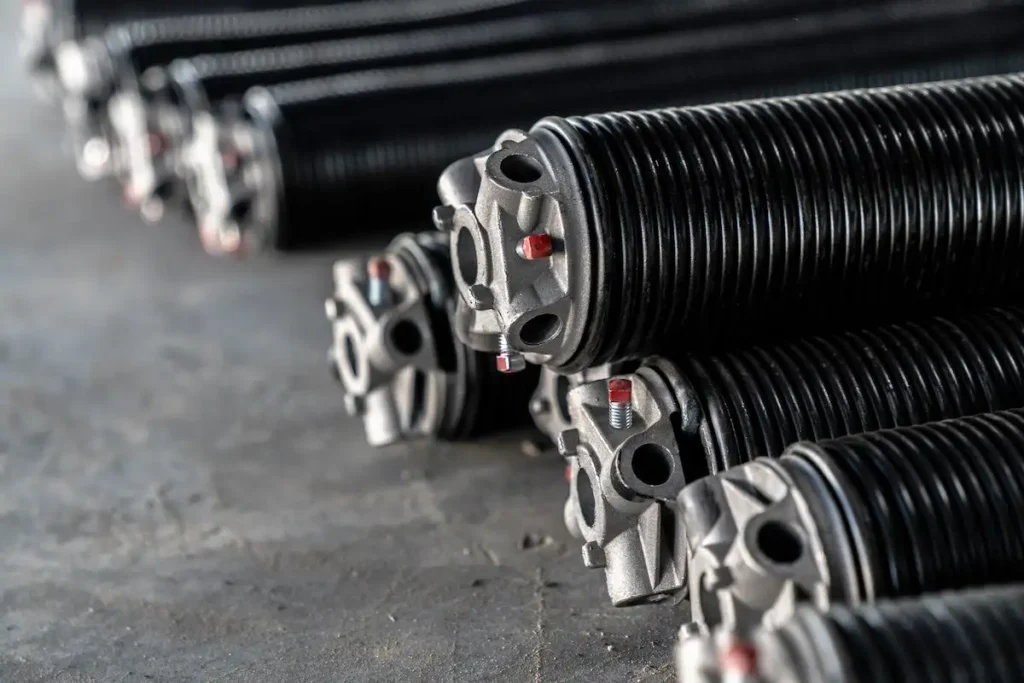
- The type of springs: Torsion springs are more expensive than extension springs.
- The number of springs: Most doors have two springs, and it’s recommended to replace both at the same time.
- Your location: Prices tend to be higher in London and the South East.
- The installer: Independent installers may charge less than national companies.
Can You Replace Just One Spring?
It’s generally recommended to replace both springs at the same time, even if only one is broken. This is because:
- The other spring is likely close to the end of its life
- New and old springs can have different tension levels, causing the door to operate unevenly
- Doing both at once saves you from having to pay for a second call-out later
FAQ: Broken Garage Door Spring
Q: How long do garage door springs last?
A: With regular maintenance, springs can last 10-15 years or 10,000-15,000 cycles (one cycle is one open and close). However, this depends on usage and the quality of the springs.
Q: Can I use the door if one spring is broken?
A: No. Operating a door with a broken spring can damage the door, the opener, and the tracks. It’s also dangerous. Stop using the door immediately and call a professional.
Q: Will a broken spring damage my opener?
A: Yes. If you try to operate the door with a broken spring, the opener will have to lift the full weight of the door. This can potentially burn the motor out or strip metal from the gears.
Q: How much does a spring replacement cost?
A: A typical spring replacement costs £140-£380, including parts and labour. The exact cost depends on the type of springs, your location, and the installer.
Q: Is it worth replacing the springs yourself?
A: No. Garage door springs are very dangerous due to being under extreme tension. If handled incorrectly they can cause serious injury. Always call a professional.
Q: Can I prevent springs from breaking?
A: Regular maintenance can help extend the life of your springs. Lubricate the springs every six months and have the door serviced annually by a professional.
Preventing Future Spring Problems
Once your springs are replaced, here’s how to extend their life.
Regular Lubrication
Lubricate the springs every six months with a silicone-based garage door lubricant. This reduces friction and wear.
Annual Professional Service
Have your garage door serviced annually by a professional. They’ll check the springs, cables, and other components, and identify any potential problems before they become serious.
Watch for Warning Signs
If the door is slow to open, noisy, or appears unbalanced, it’s worth getting it checked. A small problem now could escalate into a bigger one in the future. A repair will always be cheaper than a new garage door.
Summary Checklist
| Symptom | Action |
|---|---|
| Door won’t open | Don’t use the door. Check the springs from a safe distance. |
| Loud bang heard | Check the springs. A loud bang often indicates a spring has snapped. |
| Visible gap in the spring | The spring is broken. Call a professional. |
| Door opens unevenly | One spring has broken. Stop using the door. Call a professional. |
| Opener straining but not moving | Springs are likely broken. Don’t force it. Call a professional. |
Final Thoughts
A broken garage door spring is a serious problem that requires professional attention. Attempting to repair it yourself is dangerous and can cause further damage. The springs are under extreme tension, and mishandling them can cause serious injury.
If you suspect your spring is broken, stop using the door immediately and call a professional. It’s a small investment that will give you peace of mind and ensure the safety of your family and property.