


There’s nothing more frustrating than pressing your garage door remote and getting absolutely nothing. You press it again. Still nothing. You try the button in your car. Nothing. The door won’t budge, and you’re left wondering why your garage door won’t open.
The good news is that most garage door problems are simple to fix. In many cases, the solution is something you can do yourself in a matter of minutes. However, bare in mind some problems are more complex and have potential for danger these would require professional attention.
This guide covers the most common reasons your garage door won’t open, starting with the simplest fixes and progressing to more serious issues. We’ll help you diagnose the problem and guide you on what to do next.
First Steps: Quick Checks
Before you start worrying about broken springs or expensive repairs, check these simple things first.
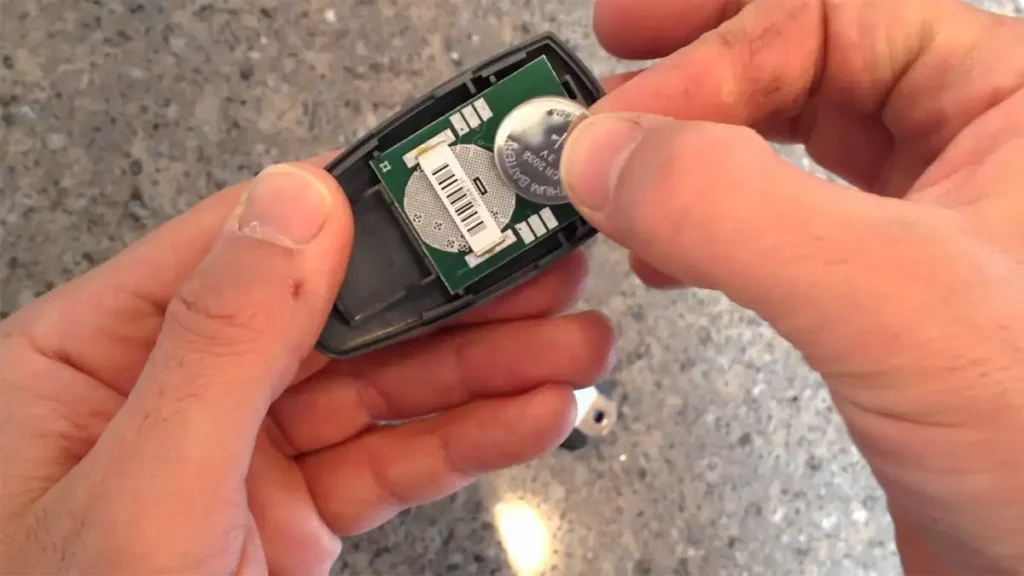
Check the Remote Battery
The most common cause of a garage door not working is usually the remote battery. If your remote has suddenly stopped working, the battery is almost certainly the culprit.
What to do:
- Open the remote control casing
- Check the battery type and replace it with a new one of the same type
- Test the remote
Most remote batteries last 1-2 years, depending on usage. If the remote is old or hasn’t been replaced in a while, it’s a good place to start. If this didn’t work but you think it could still be the remote, here are 5 fixes you can try to solve this remote issue.
Check the Wall Button
If the remote isn’t working, try the wall button inside the garage. If the wall button opens the door while the remote does not, the issue can be isolated to the remote control rather than the door mechanism. In contrast, when neither the wall button nor the remote is able to operate the door, the problem is more likely to be associated with the door’s physical components or the opener’s electrical system.
Check the Power Supply
Is the garage door opener plugged in? Has the circuit breaker tripped? Although it may sound obvious, the simplest solution is often found to be the correct one.
What to do:
- Check that the opener is plugged in
- Check the circuit breaker
- Check for any visible damage to the power cord
Check the Lock
It’s also worth noting that certain garage door models are fitted with a manual lock, which can be operated from inside the garage. If the lock is engaged, the opener won’t work. Check that the lock is disengaged.
Fix 1: Safety Sensors
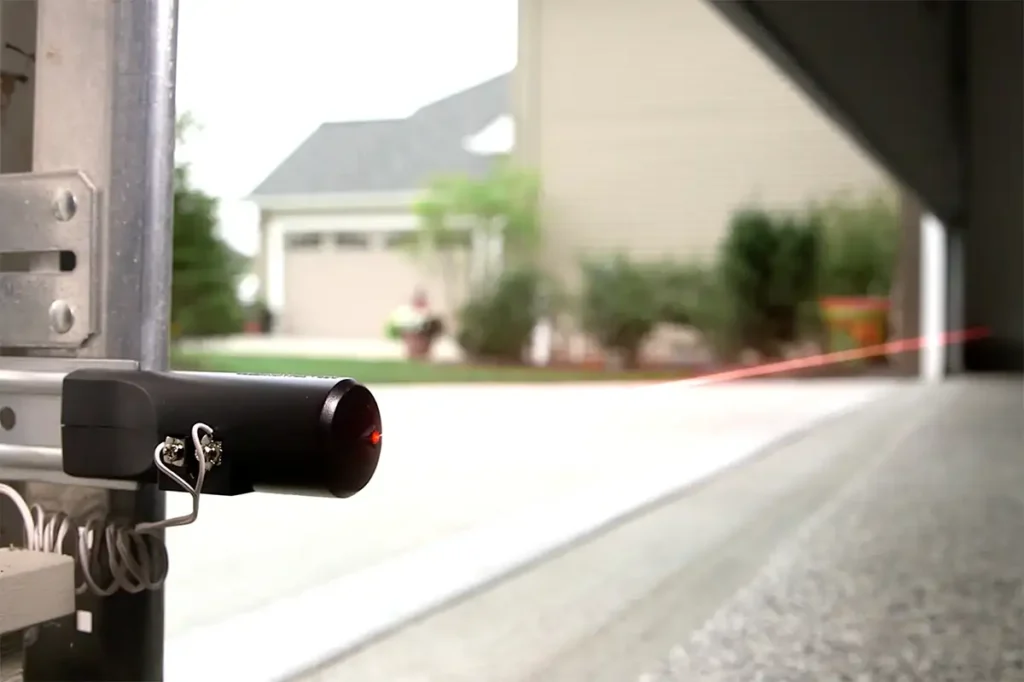
If the door tries to close but then reverses, or if it won’t close at all, the safety sensors are the most likely cause.
What to Look For
- The door starts to close but immediately reverses
- The lights on the sensors are off or flashing
- The sensors are dirty or misaligned
How to Fix It
Clean the sensors: Wipe the lenses with a soft, dry cloth. Dust and cobwebs can block the infrared beam.
Check the alignment: Both sensors should be pointing directly at each other. If they’re misaligned, the door won’t close.
Check for obstructions: Make sure nothing is blocking the beam.
What If Your Garage Door Won’t Still?
Despite being cleaned, aligned, and cleared of any obstructions, the sensors may still fail to operate correctly. Should this occur, the problem is generally attributable to faulty wiring or an internal issue with the sensors. Consequently, a professional should be contacted without delay.
Fix 2: Remote and Programming Issues
If the remote battery isn’t the problem, the remote may have lost its programming.
How to Reprogram a Garage Door Remote
Step 1: Locate the “Learn” button on your garage door opener. Generally you can find the button on the back or side of the housing unit of the motor.
Step 2: Press and release the “Learn” button. The indicator light should start flashing.
Step 3: Press and hold the button on your remote. The light on the opener should flash or turn solid.
Step 4: Test the remote.
If the remote still doesn’t work, try replacing the battery again or checking the manufacturer’s instructions for your specific model.
Interference Issues
Sometimes the problem isn’t the remote—it’s the environment. Interference from Wi-Fi routers, baby monitors, or other devices can block the signal from your remote.
How to check:
- Move closer to the garage door
- Try unplugging potential sources of interference
- If the remote only works when its right next to the unit, it’s likely there is interference when you’re further away
Fix 3: Opener Issues
Should the remote and sensors be functioning correctly while the door refuses to open, the opener itself may be the source of the problem.
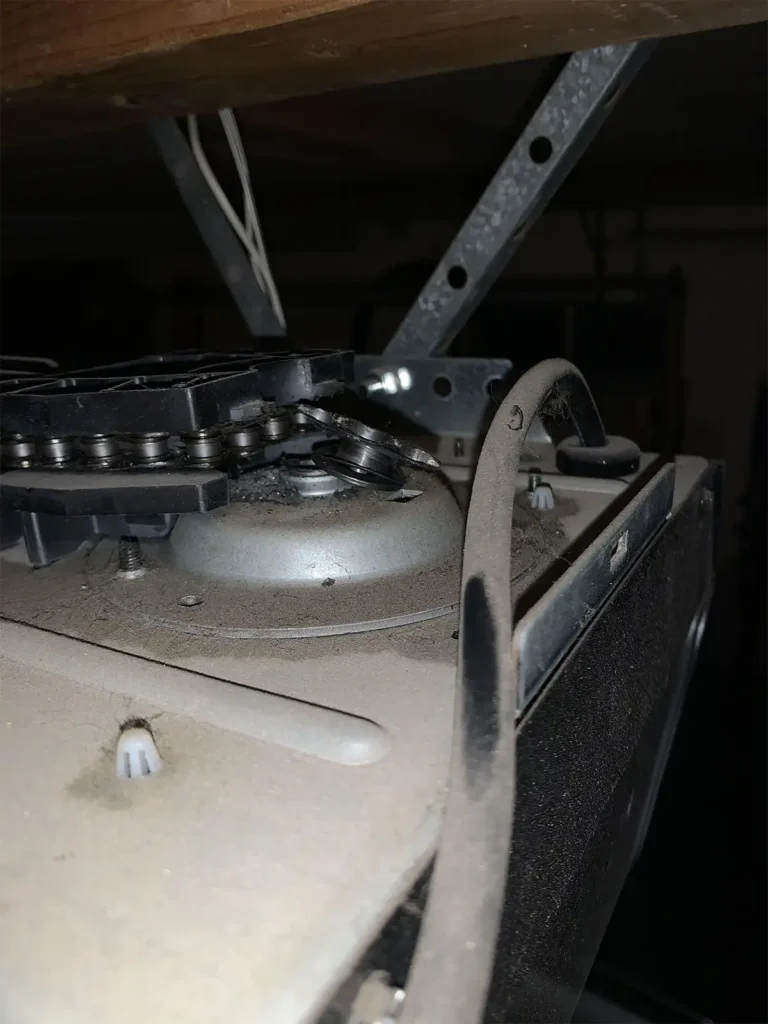
The Opener Is Humming but the Door Isn’t Moving
This is a sign of a mechanical problem. An attempt is being made by the opener to lift the door; however, this effort is being blocked by some form of obstruction. This could be:
- A broken spring: The spring has snapped and the opener can’t overcome the weight of the door.
- Worn gears: The gears in the opener are stripped, so the motor turns but the chain or belt doesn’t.
- A seized roller: A roller has locked up, preventing the door from moving.
The Opener Is Completely Dead
If the opener isn’t making any noise at all, the problem is likely electrical.
- Check the power supply: Is the opener plugged in? Has the circuit breaker tripped?
- Check the fuse: Some openers have a fuse that can blow.
- Check the safety sensors: Faulty or damaged sensors can result in the opener not working as intended.
Fix 4: Broken Springs
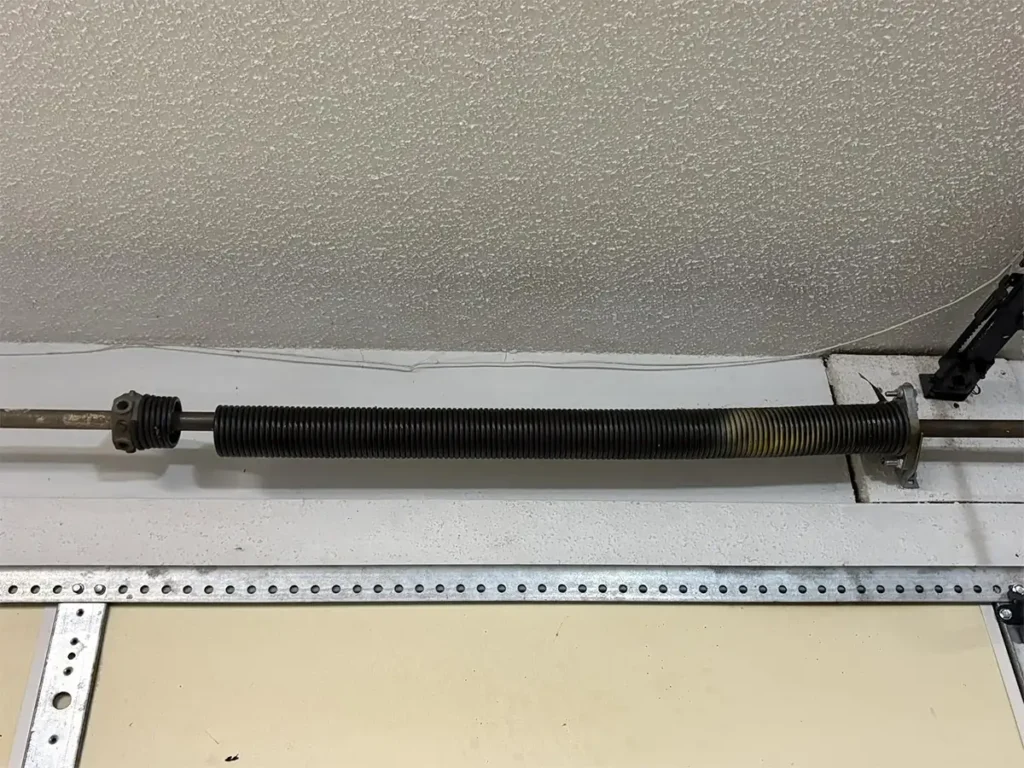
A broken spring is one of the most common and serious garage door problems. If the door won’t open at all, or if it opens only a few inches and then stops, a broken spring is a likely cause.
Signs of a Broken Spring
- A loud bang (the sound of the spring snapping)
- A visible gap in the torsion spring
- The door opens at an angle
- The door won’t open at all
What to Do
If you suspect a broken spring, do not attempt to open the door. You could create a dangerous situation if the door isn’t safe to use and also potentially damage your garage door further.
What to do:
- Stop using the door immediately
- Call a professional garage door installer
- For safety reasons, DIY repairs are strongly discouraged, since the springs are under extreme tension and could cause serious injury.
Common Causes
- Wear and tear over time (springs typically last 10-15 years)
- Rust or corrosion
- Incorrect spring tension
- Poor maintenance (lack of lubrication)
Fix 5: Off-Track Door
If the door has come off its tracks, it won’t open or close properly. You may notice the door is uneven, or you can see that the rollers have come out of the tracks.
Signs of an Off-Track Door
- The door is visibly uneven
- The door is stuck at an angle
- You can see that the rollers have come out of the tracks
- The door makes a loud scraping noise when you try to open it
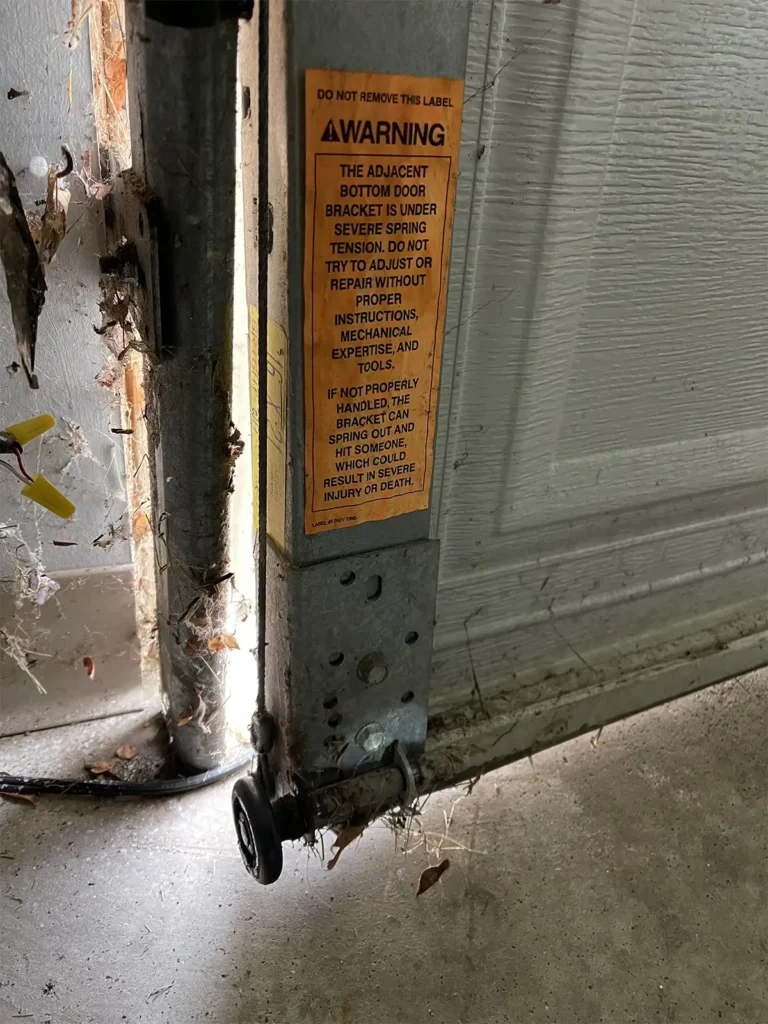
What to Do
Do not try to force the door open or closed. A door that has come off its tracks is unstable and can fall suddenly.
What to do:
- Stop using the door immediately
- Secure the area—keep children and pets away from the door
- Call a professional installer to realign the door safely
Common Causes
- Impact from a car or heavy object
- Worn or damaged rollers
- Loose hardware
- Broken cables or springs
Fix 6: Broken Cables
The cables work alongside the springs to lift the door. If a cable snaps, the door can become unbalanced and won’t open properly.
Signs of a Broken Cable
- The door opens at an angle
- The door is difficult to lift manually
- You can see a broken or frayed cable
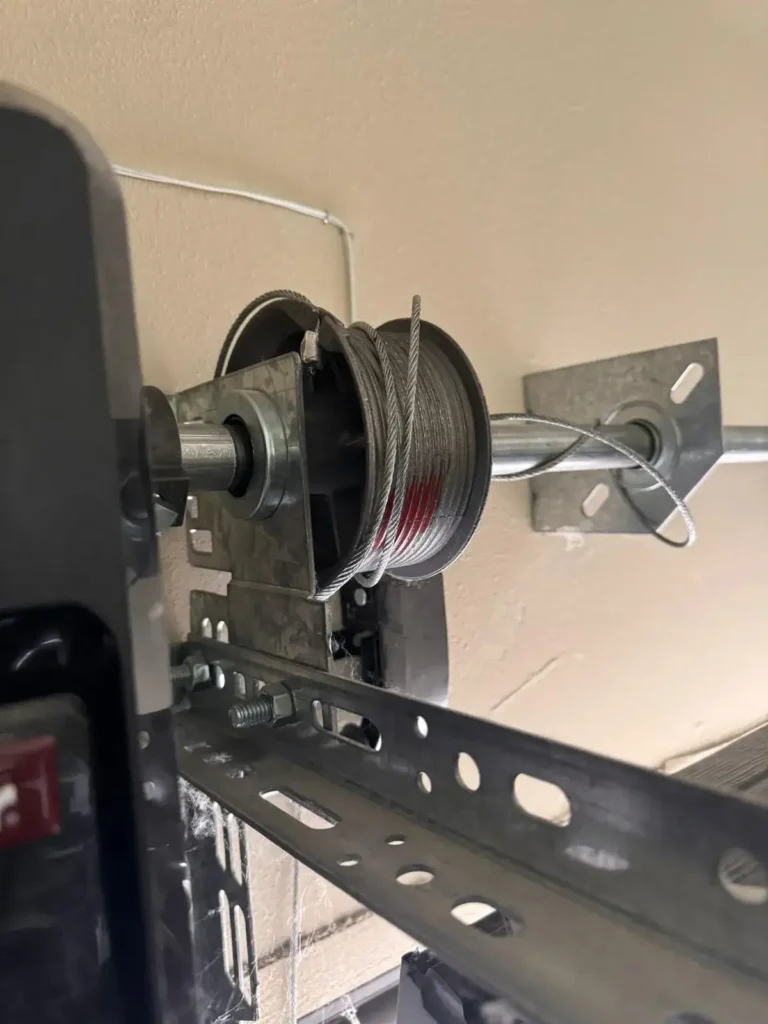
What to Do
Do not attempt to replace the cable yourself. Cables are under tension and can cause serious injury.
What to do:
- Stop using the door
- Call a professional
Common Causes
- Wear and tear over time
- Rust or corrosion
- Fraying
- Incorrect tension
Troubleshooting Summary
Use this quick reference guide to diagnose the problem:
| Symptom | Likely Cause | Action |
|---|---|---|
| Remote doesn’t work | Battery or programming | Replace battery or reprogram |
| Door reverses when closing | Dirty or misaligned sensors | Clean and align sensors |
| Opener hums but door won’t move | Broken spring or worn gears | Call a professional |
| Door won’t open at all | Broken spring, off-track, or broken cable | Call a professional |
| Door opens at an angle | Broken spring or cable | Call a professional |
| Opener is dead | Power issue | Check power supply |
| Wall button works but remote doesn’t | Remote issue | Replace battery or reprogram |
Cost Guide for Common Repairs
| Repair Type | Typical Cost |
|---|---|
| Sensor cleaning and realignment | £50 – £100 |
| Remote reprogramming | £50 – £100 |
| Spring replacement | £140 – £380 |
| Cable replacement | £100 – £300 |
| Roller replacement | £80 – £200 |
| Track realignment | £70 – £150 |
| Opener repair | £150 – £500 |
FAQ: Garage Door Won’t Open
Q: Can I force the door open if it won’t move?
A: No. Forcing the door can cause further damage and increase the risk of injury. If the door won’t open, there’s a reason—and forcing it won’t help.
Q: Is it safe to use the manual release?
A: Yes, the manual release is safe to use, but be careful. The door is heavy, and if the springs are broken, it can be dangerous to open or close manually. Always use caution.
Q: How long do garage door springs last?
A: Springs typically last 10-15 years or 10,000-15,000 cycles (one cycle is one open and close). However, this depends on usage and the quality of the springs.
Q: Can I prevent my garage door from breaking down?
A: Regular maintenance—lubricating moving parts, checking the hardware, and having the door serviced annually—can prevent most problems.
Q: When should I call a professional?
A: If you’ve worked through the simple fixes (battery, sensors, programming) and the door still won’t open, it’s time to call a professional. This is especially important if you suspect a broken spring, off-track door, or broken cable.
Final Thoughts
A garage door that won’t open is frustrating, but in many cases, the fix is simple. Start with the basics—check the battery, clean the sensors, and try reprogramming the remote. If those don’t work, the problem is likely more serious and requires professional attention.
If you suspect a broken spring, off-track door, or broken cable, do not attempt to fix it yourself. These components are under extreme tension and can cause serious injury. Call a professional—they have the tools, experience, and knowledge to fix the problem safely.