

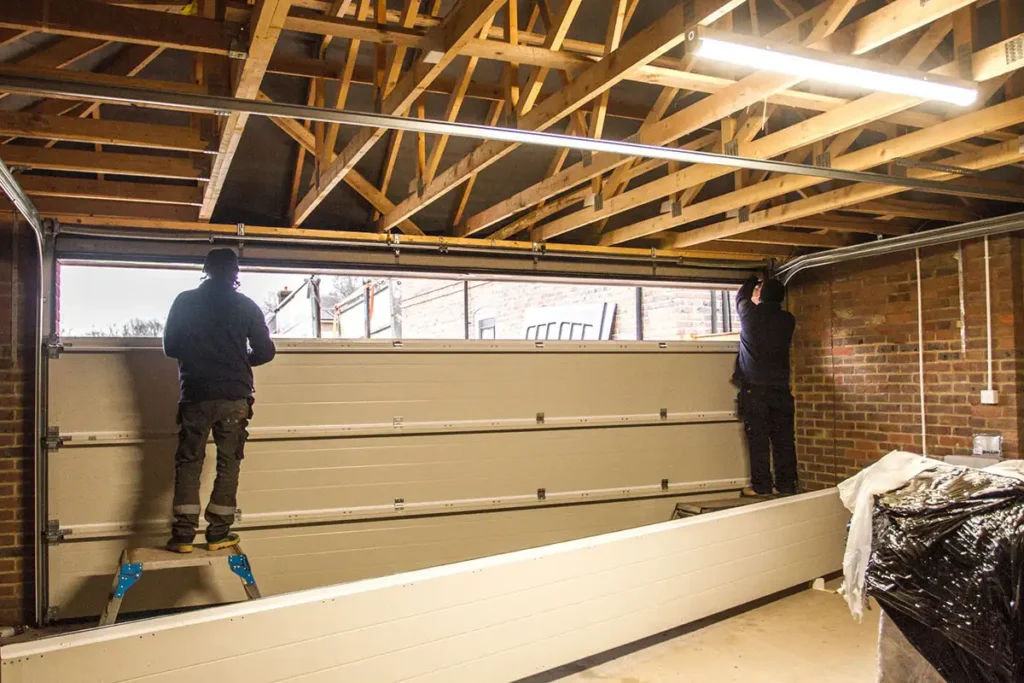
A garage door installation is one of the most significant home improvement projects you can tackle. It’s a job that involves heavy lifting, precise measurements, and working with components under extreme tension. Get it wrong, and you could be looking at costly repairs or, worse, serious injury.
So, should you install a garage door yourself or hire a professional? The answer depends on your skill level, budget, and how much risk you’re willing to take on.
This guide covers the key differences between DIY and professional installation, the risks of each approach, what to expect during installation, and how to choose a reputable installer if you decide to go down the professional route.
Garage Door Installation | The Basics
Before diving into the DIY vs professional debate, it’s worth understanding what’s actually involved in installing a garage door.
A typical garage door installation involves:
- Purchasing a new garage door ready for installation
- Removing the old door and disposing of it safely
- Preparing the opening (checking measurements, ensuring the frame is square)
- Assembling the new door panels and tracks
- Installing the springs and cables (under high tension)
- Fitting the opener and safety sensors if required
- Testing the door’s balance and safety features
- Making final adjustments to ensure smooth operation
It sounds straightforward enough. But each of these steps comes with its own challenges and potential pitfalls.
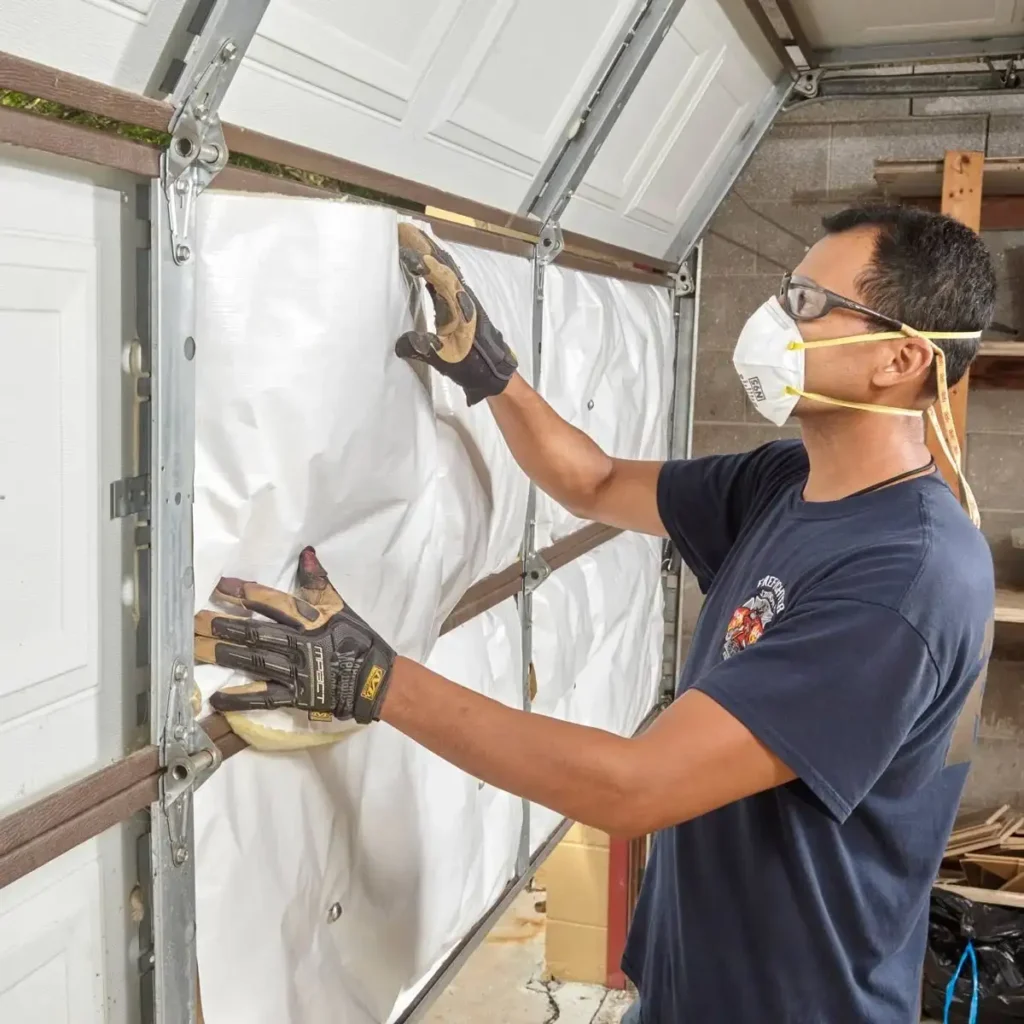
DIY Garage Door Installation | What’s Involved?
If you’re a confident DIYer with experience in construction or carpentry, installing a garage door yourself is possible. But it’s not a weekend project for beginners.
What You’ll Need
- Tools: Socket set, spanners, drill, spirit level, measuring tape, clamps, winding bars (for springs), and a sturdy ladder
- Time: Expect to spend at least 6-10 hours spread over two days, depending on the complexity of the door
- Help: A garage door is heavy and awkward to handle alone. You’ll need at least one other person to assist
- Knowledge: You’ll need to understand how garage doors work, how to read manufacturer instructions, and how to safely handle tensioned components
The Risks of DIY Garage Door Installation
1. Heavy Doors
A garage door can weigh over 100kg. Even a single up-and-over door is heavy enough to cause serious injury if dropped. Handling these doors without the right equipment or help is a genuine safety risk.
2. Tensioned Springs
The springs on a garage door are under extreme tension. If you release them incorrectly, they can snap with enough force to cause severe injury, or worse. Mishandling a spring can turn it into a dangerous projectile capable of causing serious injury. This is a task that demands respect and caution.
3. Incorrect Measurements
If you measure the opening incorrectly, the door won’t fit. You’ll have to return it and start again. This wastes time and money, and if you’ve already removed your old door, you could be left without a working garage door for weeks.
4. Voided Warranties
Many manufacturers require professional installation for the warranty to remain valid. Install it yourself, and you could void your cover, even if you do a perfect job.
5. No Guarantee on Workmanship
If something goes wrong six months down the line, you’ll have to fix it yourself. There’s no one to call back if the door starts sticking, the opener fails, or the springs lose tension.
When DIY Might Be a Good Option
DIY installation can work if:
- You have previous experience with similar projects
- You’re replacing a like-for-like door (e.g., an up-and-over with another up-and-over)
- You have access to the right tools and have someone to help
- You understand the risks and are prepared to take them on
Even then, it’s worth weighing up whether the potential savings are worth the risks.
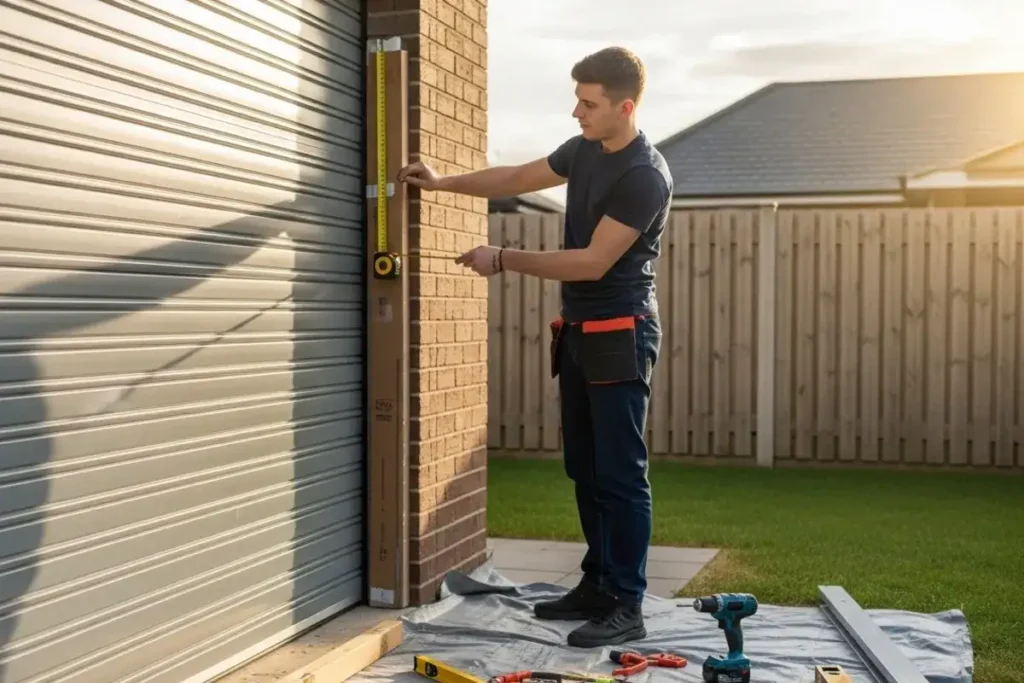
Professional Garage Door Installation | The Case for Hiring a Pro
For most homeowners, professional installation is the safer, more reliable option. Here’s why.
Benefits of Professional Installation
1. Safety
Professional installers are trained to handle heavy doors and tensioned springs safely. They’re trained in the proper techniques and carry the specialist equipment needed for a safe installation. They also carry insurance, which covers you in case something goes wrong.
2. Warranty Protection
Most manufacturers require professional installation to validate the warranty. If you install the door yourself, you could void your cover. A professional installer will also provide their own guarantee on workmanship, typically for 1-2 years maybe even longer.
3. Correct Fitting
A garage door that’s fitted correctly will last longer, operate more smoothly, and stay safer. Professionals know how to check the opening, install the tracks and springs properly, and make the necessary adjustments to ensure the door functions perfectly.
4. Speed
A professional team can usually install a garage door in a few hours. By contrast, a DIY installation could take a whole weekend, or longer if you encounter problems.
5. Disposal of the Old Door
Professional installers will remove your old door and dispose of it for you. This saves you the hassle of taking it to the tip or hiring a skip.
6. Peace of Mind
Perhaps the biggest benefit of hiring a professional is peace of mind. You can relax, knowing the job has been done correctly and safely. If something goes wrong, you have someone to call back.
What to Expect During a Professional Installation
If you hire a professional, here’s what you can typically expect:
- Survey: The installer will visit your home to measure the opening and discuss your requirements
- Quote: You’ll receive a fixed-price quote covering the cost of the door, installation, and removal of the old door
- Scheduling: Installation is usually booked within 1-2 weeks of the survey dependant on door availability
- Installation: On the day, the team will arrive, remove the old door, fit the new one, and test everything thoroughly
- Demonstration: The installer will show you how to operate the door and explain any maintenance requirements
- Warranty: You’ll receive paperwork confirming the warranty on the door and the workmanship
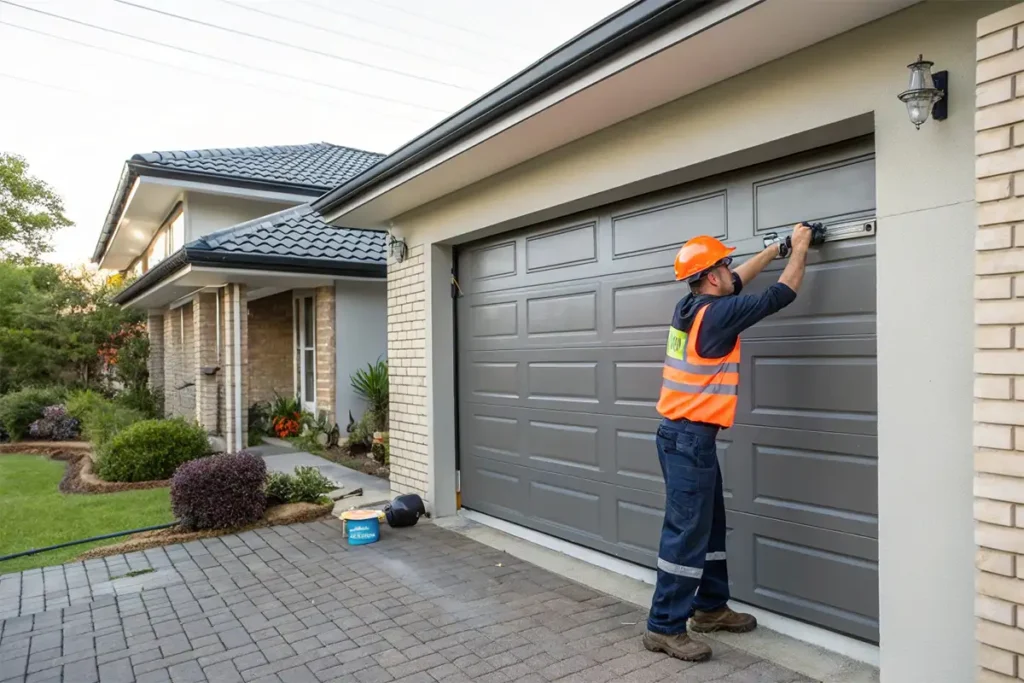
How to Choose a Reputable Installer
If you decide to hire a professional, choosing the right installer is just as important as choosing the right door.
What to Look For
| Factor | What to Check |
|---|---|
| Experience | How long have they been in business? Do they specialise in garage doors? |
| Accreditations | Are they members of Checkatrade, TrustMark, or similar trade bodies? |
| Reviews | What do previous customers say? Check Google, Trustpilot, and Checkatrade reviews. |
| Warranty | Do they offer a guarantee on workmanship? |
| Insurance | Are they fully insured for liability and damage? |
| Transparency | Do they provide a fixed-price quote with no hidden extras? |
Questions to Ask Before Hiring
- How long have you been installing garage doors?
- Can you provide references from recent customers?
- What does your quote include? (Door, installation, removal of old door, disposal, electrical work)
- Do you carry insurance?
- What warranty do you offer on your workmanship?
- Are you familiar with the brand we’re installing?
- What’s your availability?
Red Flags to Watch For
- Vague quotes: A reputable installer will provide a detailed, fixed-price quote
- No insurance: If they’re not insured, you’re taking a risk
- Poor reviews: Check multiple platforms, a few bad reviews among many good ones is fine, but consistent poor feedback is a warning sign
- Pressure tactics: Any installer who pressures you to decide immediately is best avoided
DIY vs Professional | A Side-by-Side Comparison
| Factor | DIY | Professional |
|---|---|---|
| Cost | £500 – £1,500+ (door only) | £800 – £2,500+ (door + installation) |
| Time | 6-10 hours (spread over days) | 2-4 hours |
| Safety | High risk | Low risk |
| Warranty | Limited (manufacturer only, may be voided) | Full manufacturer + workmanship guarantee |
| Experience required | Significant | None (they do the work) |
| Disposal | You’ll need to dispose of the old door | Included |
| Peace of mind | Limited | High |
Which Route Is Right for You?
The decision comes down to your experience, confidence, and risk tolerance.
Choose DIY if:
- You have significant DIY experience
- You’re replacing a like-for-like door
- You have access to the right tools and someone to help
- You understand the risks and are prepared to take them on
Choose Professional if:
- You’re installing a door for the first time
- Your door is heavy or complex (e.g., a sectional or roller door)
- You’re not confident working with tensioned springs
- You want peace of mind and a guarantee on workmanship
New to garage doors? Start with our complete guide to garage doors for everything you need to know.
Final Garage Door Installation Thoughts
Installing a garage door is not a job to take lightly. While DIY can save you money, it comes with significant risks and challenges. For most homeowners, professional installation is the safer, more reliable option.
If you do decide to go professional, take the time to choose a reputable installer. Check their reviews, ask the right questions, and make sure you’re getting a fair price. It’s a small investment that will pay off in peace of mind and long-term reliability.
And if you decide to tackle it yourself, take your time, follow the manufacturer’s instructions carefully, and don’t cut corners. Your safety, and the safety of your family is more important than saving a few hundred pounds. Once installation is complete either by yourself or a professional, it would be great to go through our maintenance checklist.