

Your garage door is likely the largest and heaviest moving object in your home, weighing over 100kg. A well-functioning garage door is easy to overlook, it opens, it closes, and life goes on. Most homeowners don’t think about garage door safety until something goes wrong.
But when safety features fail, the consequences can be severe.
Every year, garage doors are responsible for thousands of injuries in the United Kingdom, with many being treated in emergency departments across the UK. The good news is that most of these accidents are entirely preventable with regular maintenance and a basic understanding of how your garage door’s safety systems work.
This guide covers the essential safety features every homeowner should know, how to test them, and simple steps to protect your family and property.
Understanding Garage Door Safety Sensors
Modern garage doors are equipped with safety sensors designed to stop the door and reverse it if something gets in the way. But not all sensors work the same way. The type of sensor your door uses depends on the style and manufacturer of your door.
Photoelectric Sensors
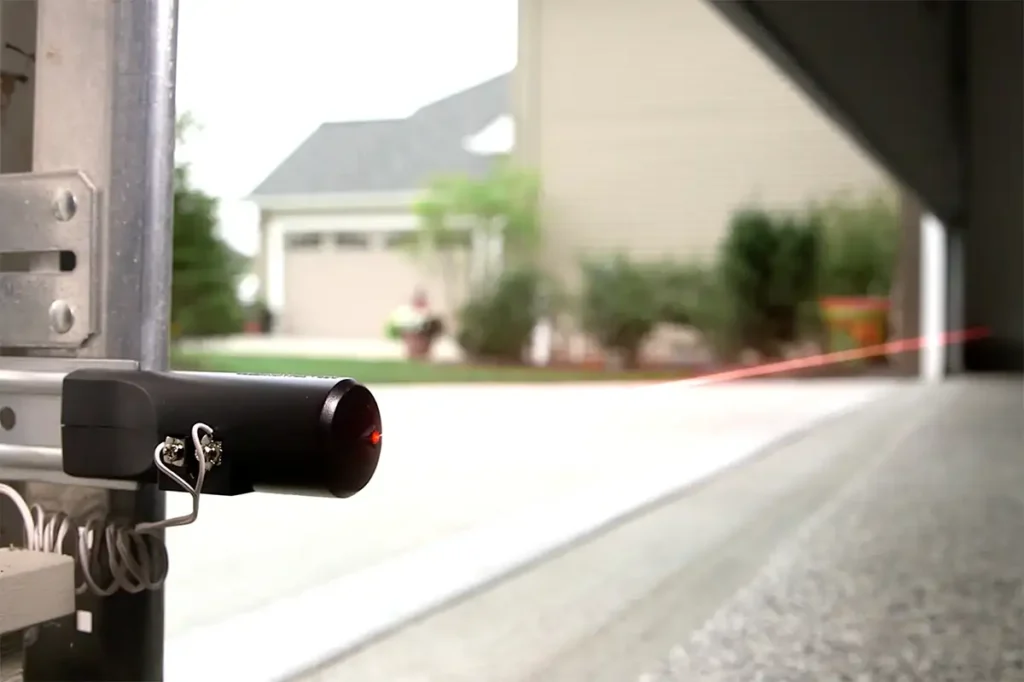
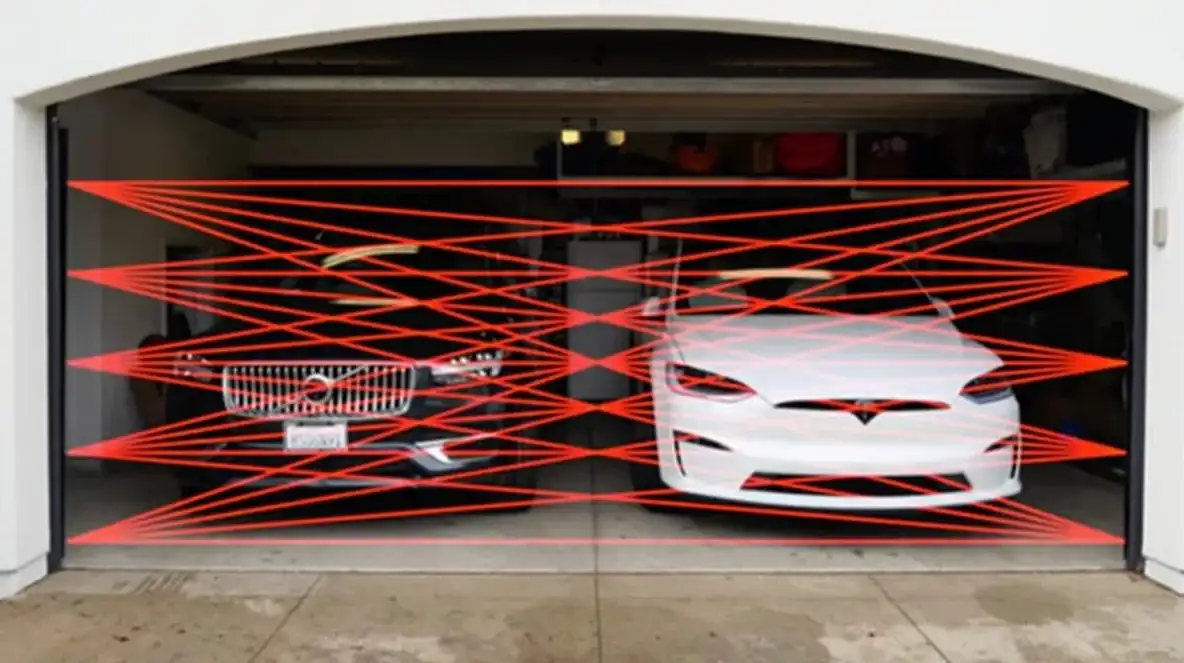
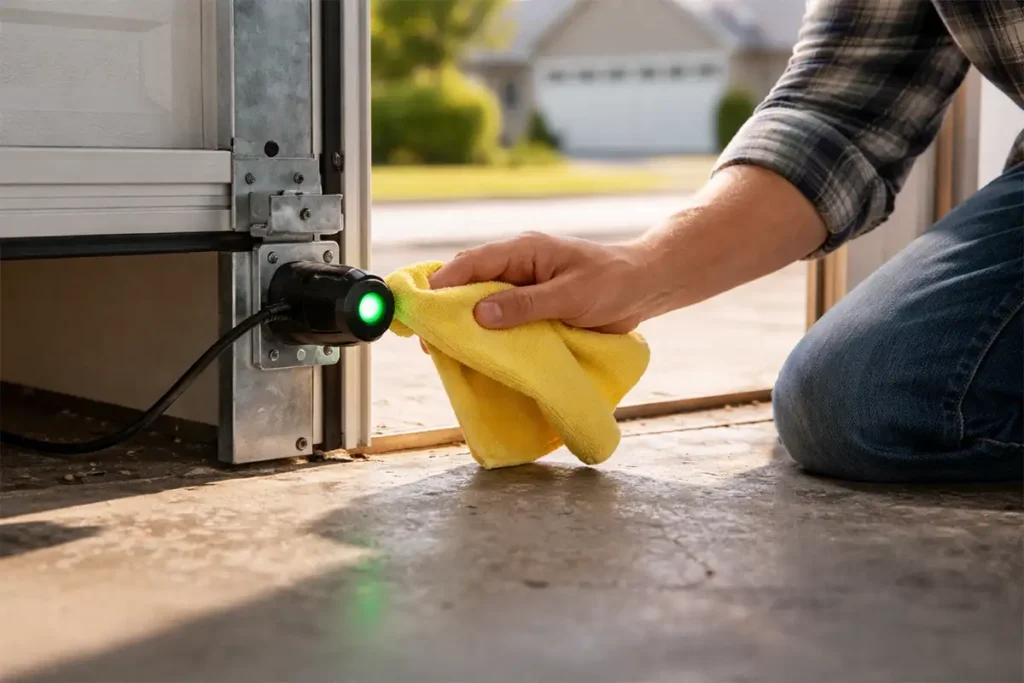
Photoelectric sensors are a very common type of safety sensor. They’re mounted on both sides of the door opening, near the floor. These sensors work by sending an invisible infrared beam across the doorway. If anything breaks that beam while the door is closing, the control panel triggers an instant stop and sends the door back up.
Magnetic Sensors
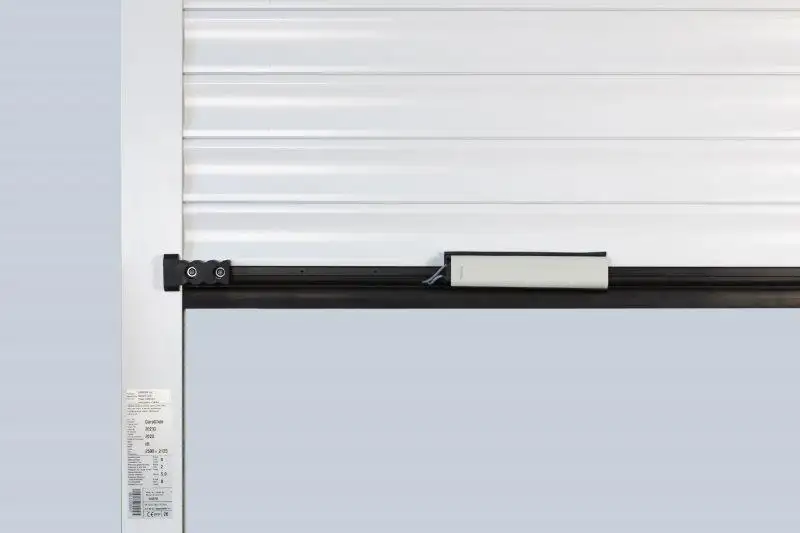
Roller doors use a different system. Instead of an infrared beam, they rely on a series of magnets positioned along the door curtain or guide rails. These magnets are detected by sensors connected to the control panel.
Here’s how it works: as the door moves up or down, the control panel constantly monitors the movement of the magnets. If the door encounters an obstruction while closing, the curtain stops moving. The control panel immediately detects the interruption and triggers a safety stop, reversing the door’s direction.
This means they don’t need photoelectric sensors, the magnets themselves act as the safety mechanism.
How to Check Which System You Have
If you’re not sure which type your door uses, here’s a quick way to tell:
- Photoelectric sensors: Look for small plastic boxes mounted on each side of the door, about 15–20cm above the floor. They usually have LED indicator lights.
- Magnetic sensors: Look for small magnets attached to the door curtain or guide rails. There may be a sensor unit mounted nearby on the frame.
Testing Your Door’s Safety System
Regardless of which system your door uses, the garage door safety test is the same:
- Place a lightweight object (like a rolled-up towel or a cardboard box) in the path of the closing door
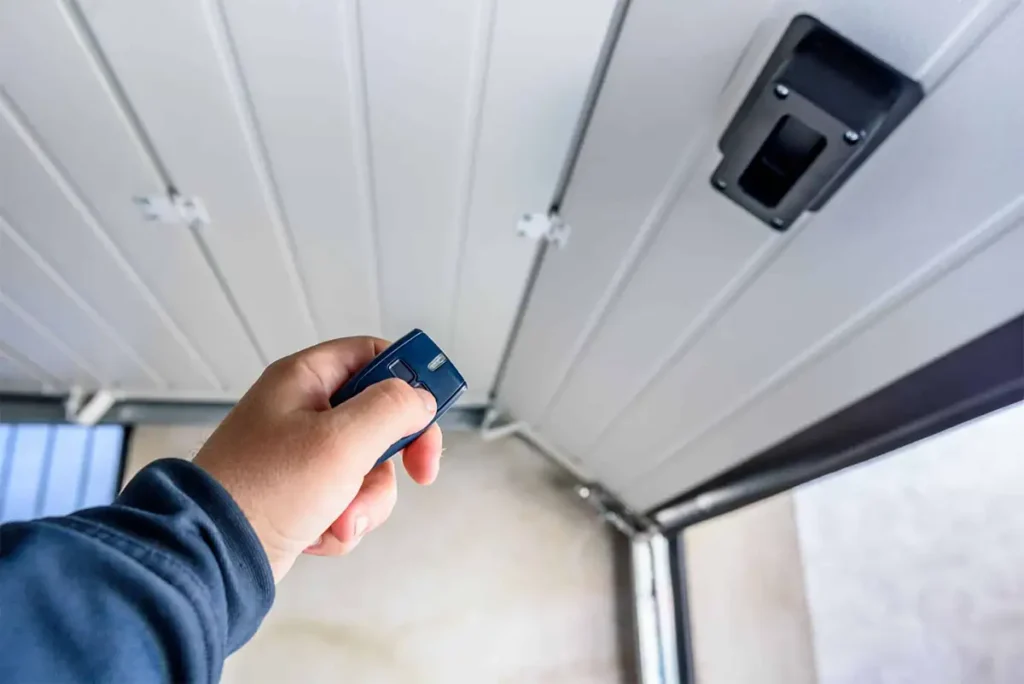
- Close the door using your remote or wall button
- When the door makes contact with the object, it should immediately stop and reverse
If your door doesn’t reverse, there’s a problem with the safety system and you should call a professional.
Common Issues with Each System
| Door Type | Sensor Type | Common Issues |
|---|---|---|
| Up-and-Over / Sectional | Photoelectric | Dirty lenses, misaligned sensors, wiring faults |
| Roller | Magnetic | Loose or missing magnets, misaligned sensors, wiring faults |
The Auto-Reverse Feature: Your Door’s Most Critical Safety Mechanism
The auto-reverse function is your garage door’s primary safety feature. Briefly covered in the previous section it’s designed to reverse the door’s direction if it encounters an obstacle while closing.
How to Test Auto-Reverse
This test should be performed monthly:
- Clear the area and ensure no pets or children are nearby
- Place a 2×4 piece of wood flat on the floor directly in the door’s path
- Close the door using your remote or wall button
The door should reverse automatically when it makes contact with the wood. The reversal should happen quickly, typically in less than 0.75 seconds. If your door doesn’t reverse, the opener needs to be adjusted or serviced.
Child Garage Door Safety Around the Door
Children are naturally curious, and garage doors can seem like fascinating mechanical toys. The statistics are sobering, and tragically, some of these are fatal.
Keep Remotes Out of Reach
This one measure makes more difference than any other. Remote controls should always be stored in a safe place, away from children’s reach. Wall-mounted controls should be installed at least five feet above the ground so young children cannot access them. It’s important to make sure your garage door remote is working as well, if it’s not check out our article on 5 garage door remote fixes.
Teach Children About the Dangers
Children need to understand that garage doors and their remotes are not toys. They should never play with the remote controls or wall buttons. Teach them to:
- Never stand near the door while it’s in motion
- Never run under a closing door
- Tell an adult immediately if the door is making strange noises or behaving oddly
Protect Exposed Springs
Consider covering exposed springs with protective covers to prevent accidental contact. The springs are held under tremendous pressure and can cause serious harm if mishandled.
New to garage doors? Start with our complete guide to garage doors for everything you need to know.
Garage Door Security | Locking Mechanisms and Smart Technology
A secure garage door is about more than just keeping your car safe, it’s about protecting the main entry point to your home. While safety features keep your family from harm, security features keep intruders out. The two go hand in hand.
Modern garage doors offer a range of security options, from simple mechanical locks to smart technology that alerts you the moment something is wrong. Here’s what you need to know about keeping your garage door secure.
Automatic Door Locks
Some modern garage door openers feature an automatic locking mechanism. This add-on deadbolt locks the garage door automatically every time it closes, making it virtually impenetrable.
Smart Garage Door Openers
Upgrading to a smart garage door opener is one of the most effective security upgrades you can make. These devices offer several advantages:
- Remote monitoring and control: You can check if your door is closed from anywhere
- Real-time notifications: Receive alerts when the door is opened or closed
- Temporary access: Grant guests or service providers secure, temporary access
- Geofencing: Some models can automatically close the door when you leave
Rolling Code Technology
Modern garage door openers use rolling code technology, which changes the access code every time you use the remote. This prevents thieves from capturing and replicating your remote’s signal.
Simple Security Habits
- Keep your garage door closed when you’re not using the space
- Install motion sensor lights around the garage
- Trim back bushes that could provide cover for intruders
- Consider a garage shield or security bar for added protection
Regular Garage Door Safety Maintenance Checks
Regular upkeep is the foundation of garage door safety. Perform these checks every 6 months.
Visual Inspection
Inspect the cables, rollers, tracks and springs for any signs of wear or damage. If you see frayed cables, rusted springs, or worn rollers, call a professional. It’s also good to check the garage door for noise.
Balance Test
Pull the emergency release cord and manually lift the door halfway. A properly balanced door will stay in place. If it drops or rises, the springs need adjustment.
Lubrication
Apply a silicone-based lubricant to hinges, rollers, and springs every six months. Never grease the tracks this attracts dirt and can cause problems. Also you should note that WD-40 is not a lubricant and can reduce your garage doors lifetime.
The Manual Release Safety Feature
If you need to work on the door, always use the manual release to disengage the opener. This allows you to move the door manually without the risk of it suddenly moving under power.
Final Thoughts on Garage Door Safety
Your garage door is a sophisticated mechanical system that demands routine care. Modern safety features are highly effective, but they only work when they’re properly maintained and regularly tested.
The simple tests, checking the sensors and auto-reverse take just a few minutes. Those few minutes could prevent a serious injury. If you’re ever unsure about the condition of your garage door, don’t hesitate to call a professional. It’s a small price to pay for peace of mind and the safety of your family.